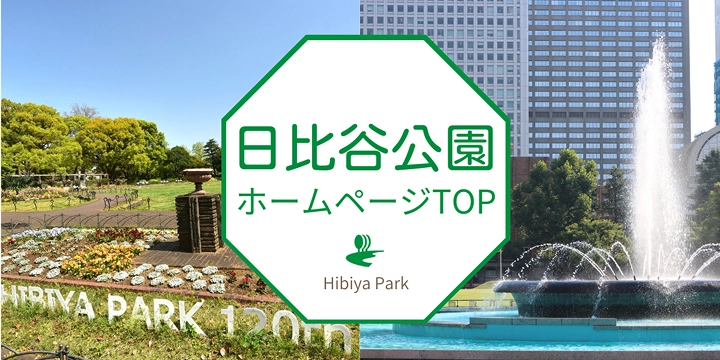
One hundred and twenty years ago, Hibiya Park opened on the site of a
former feudal lord’s estate as Japan’s first modern Western-style public
park. Ever since, while standing alongside the accelerating tempo of a
modernizing Tokyo, it has continued to mark a sense of time that belongs
uniquely to this place. A park is where, within the city, our bodies can
recover their own sense of time. The shifting course of daylight, the
growth of trees, and the changing seasons embodied in blooming flowers
allow us to recognize the passage of time and rediscover our place within
it.
Our own bodies, whose cells are constantly renewing
themselves, are likewise phenomena that exist only for a brief moment
within a much longer continuum of time. In “Timeless Phenomena”, the
“clock time” that governs our daily lives is suspended. Through art, the
exhibition creates moments in which nature and humanity resonate within
the city, offering an opportunity to reconnect with our innate sense of
embodiment and time.
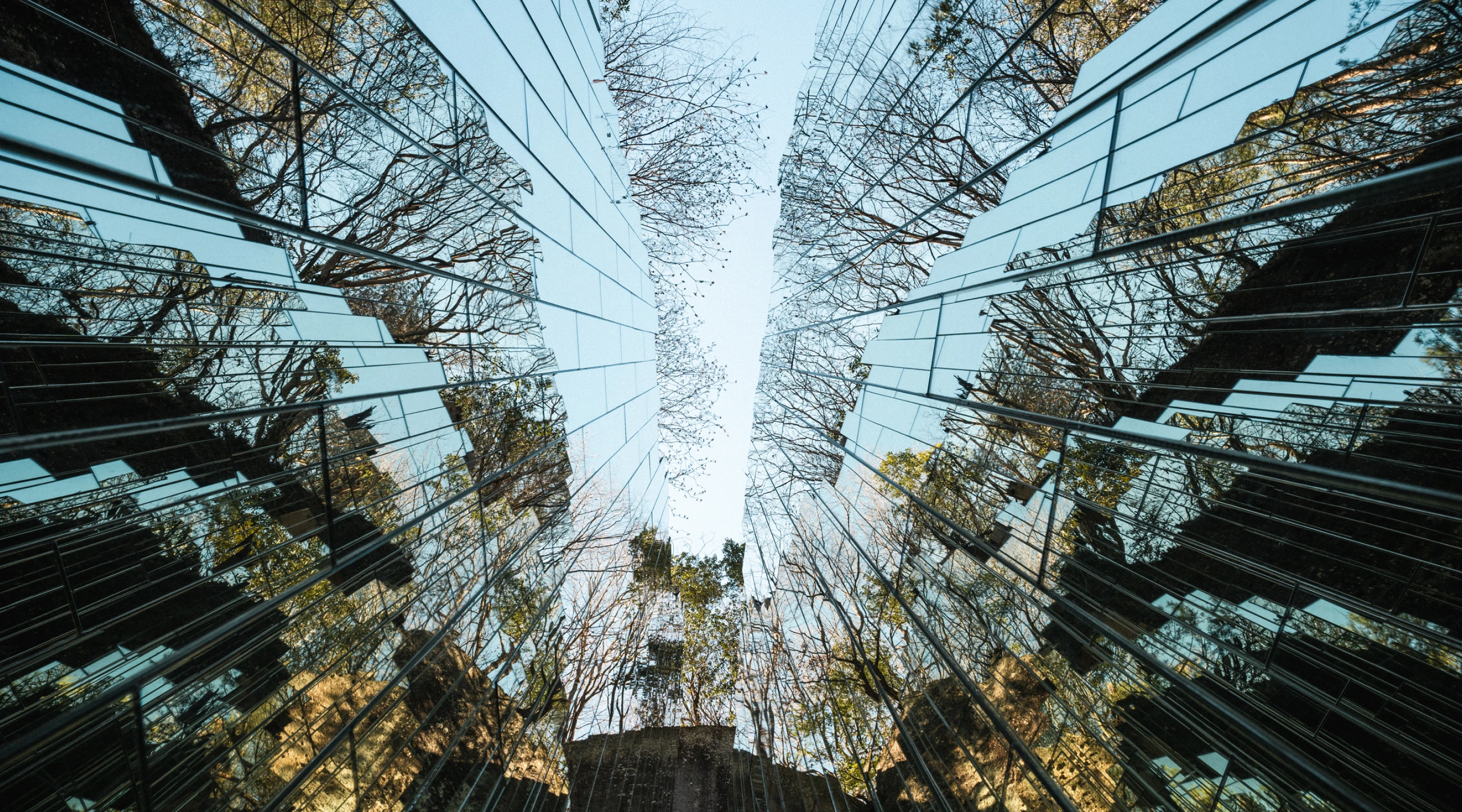
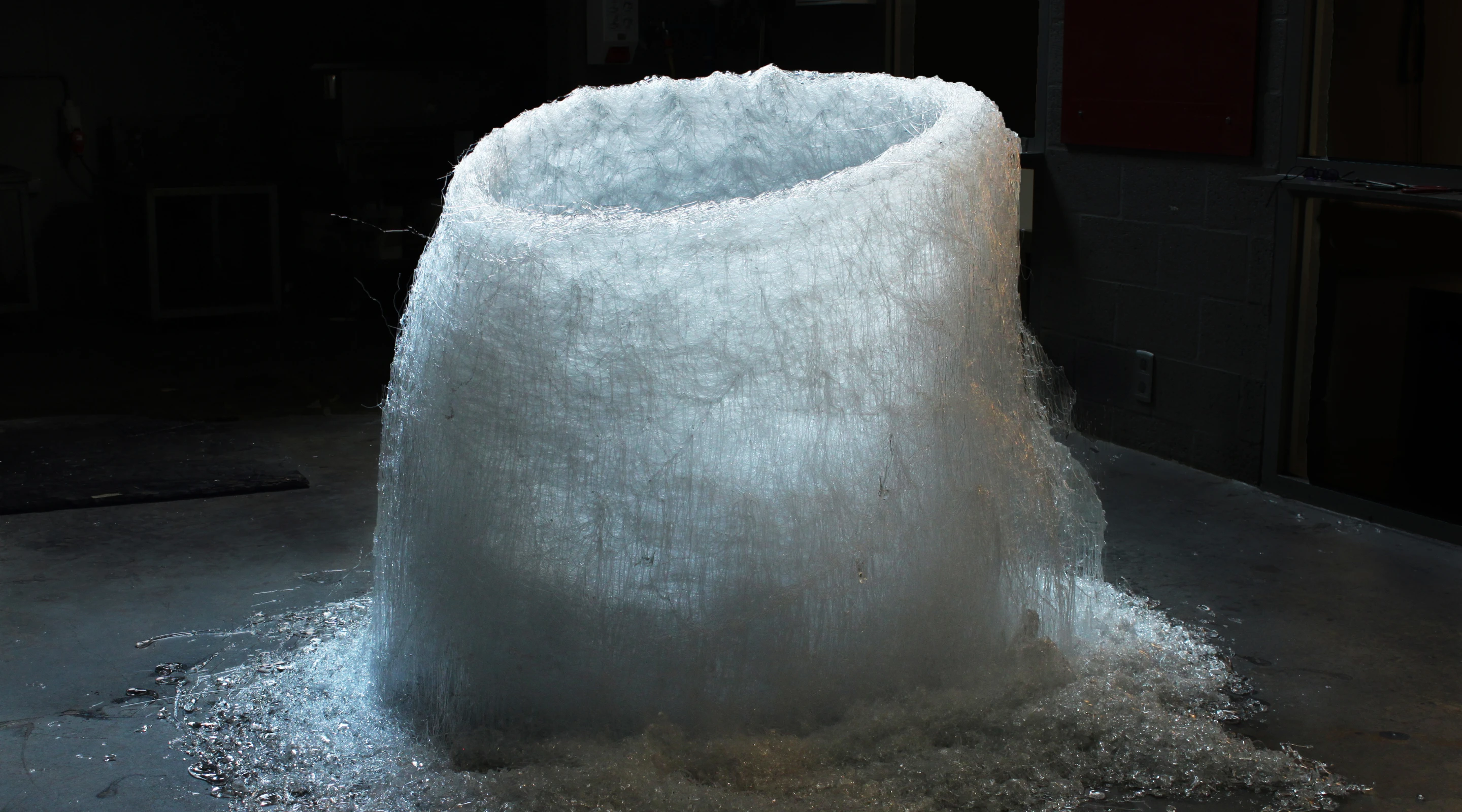
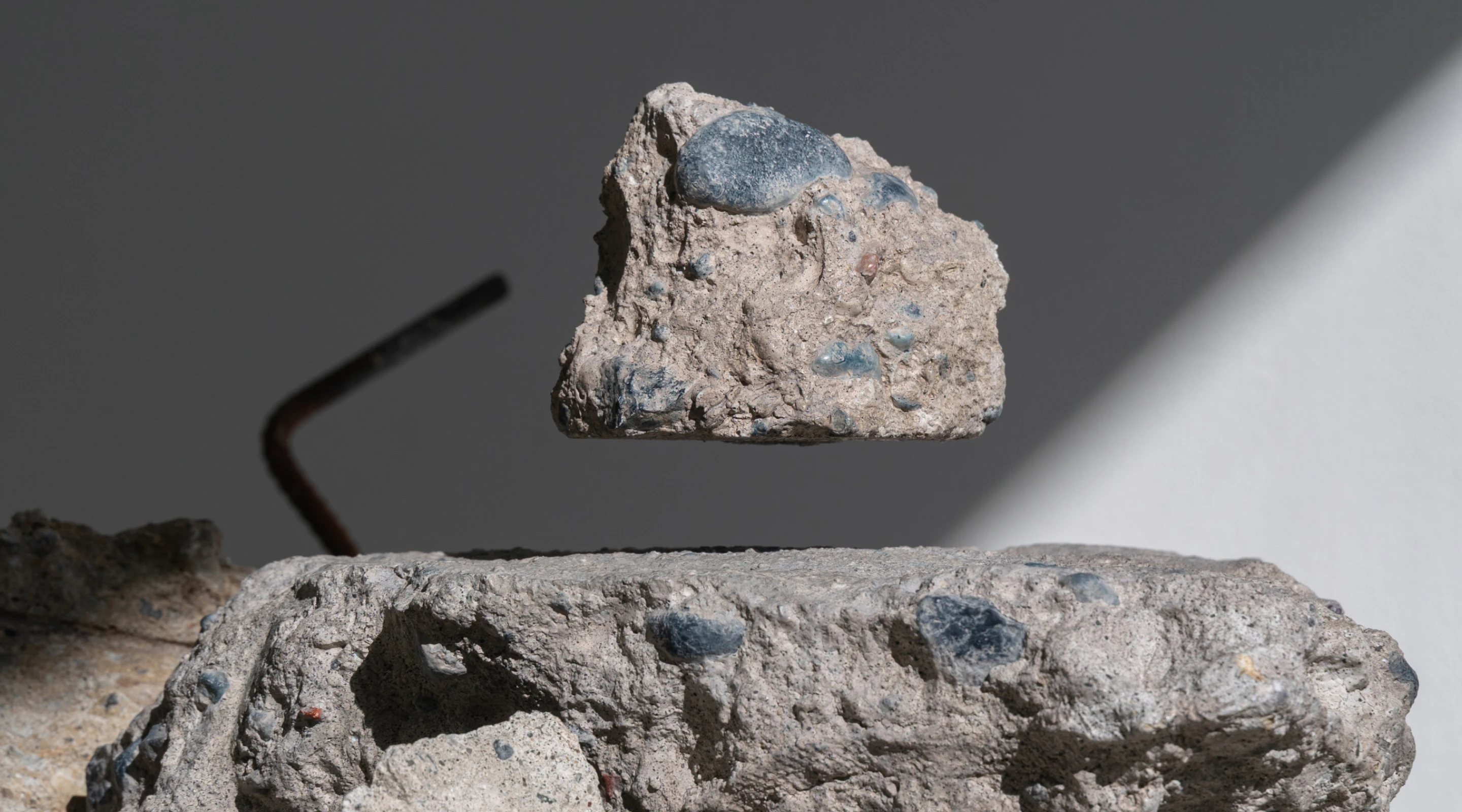
The works by the participating artists are
united by their emergence as phenomena that speak directly to the body.
Each work is situated where it belongs within the park, and visitors
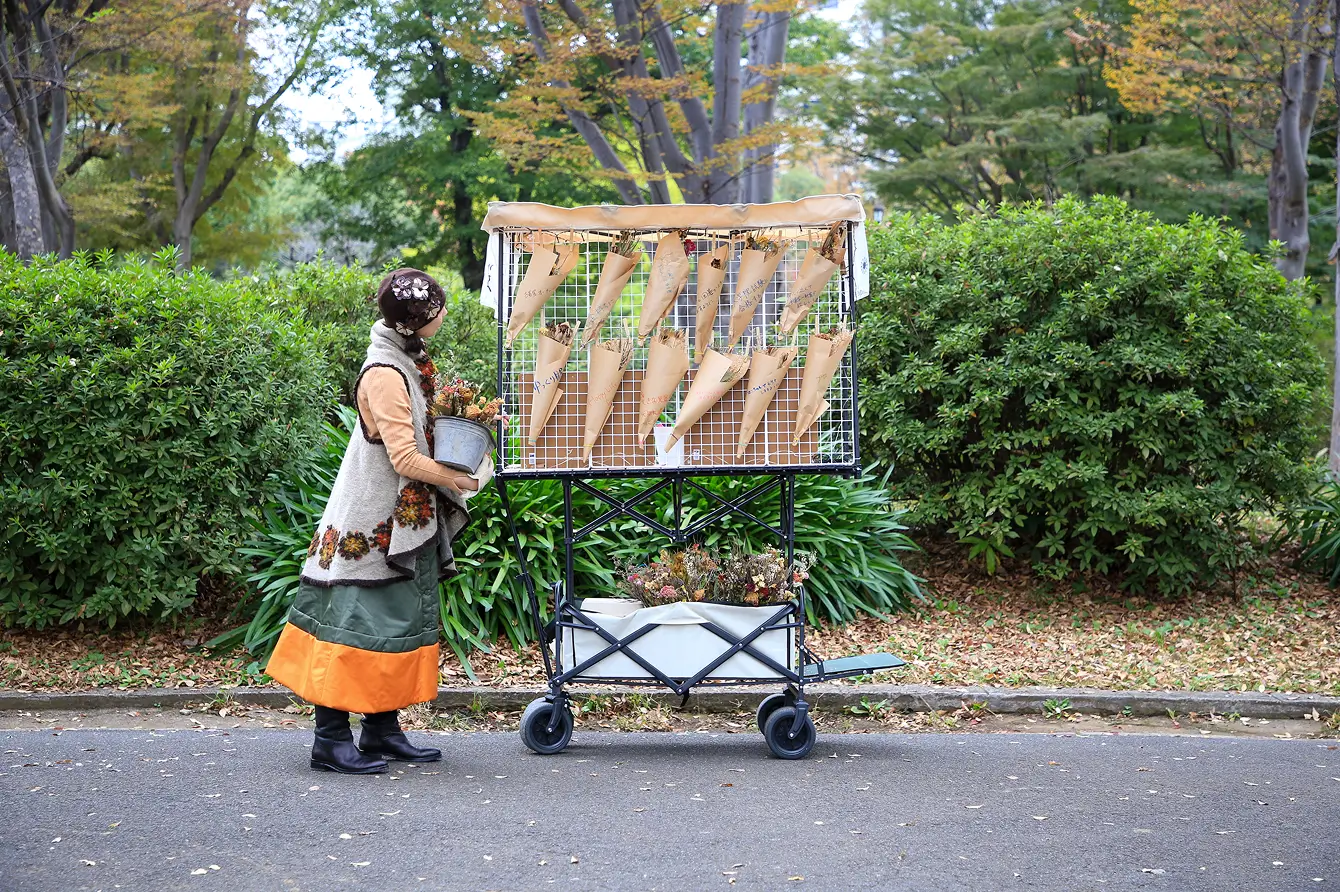
encounter them gradually as they move through the landscape. Flowers, too,
emerge not as mere decorations, but as mediators between humans, plants,
insects, birds, and the passage of time between the seasons.
After
encountering these works, the trees, birdsong, wildflowers beneath your
feet, and the gestures of people passing by may feel slightly different.
Relationships and presences that have always existed begin to come into
focus through the works. Familiar surroundings reveal layers of time and
activity that have long gone unnoticed. In that moment, Hibiya Park can be
experienced not simply as an open space within the city, but as a place
where many forms of life exist according to their own rhythms.
One hundred and twenty years ago, Hibiya Park opened on the site of a
former feudal lord’s estate as Japan’s first modern Western-style public
park. Ever since, while standing alongside the accelerating tempo of a
modernizing Tokyo, it has continued to mark a sense of time that belongs
uniquely to this place. A park is where, within the city, our bodies can
recover their own sense of time. The shifting course of daylight, the
growth of trees, and the changing seasons embodied in blooming flowers
allow us to recognize the passage of time and rediscover our place
within it....
Our own bodies, whose cells are constantly renewing themselves, are
likewise phenomena that exist only for a brief moment within a much
longer continuum of time. In “Timeless Phenomena”, the “clock time”
that governs our daily lives is suspended. Through art, the
exhibition creates moments in which nature and humanity resonate
within the city, offering an opportunity to reconnect with our
innate sense of embodiment and time.
The works by the
participating artists are united by their emergence as phenomena
that speak directly to the body. Each work is situated where it
belongs within the park, and visitors encounter them gradually as
they move through the landscape. Flowers, too, emerge not as mere
decorations, but as mediators between humans, plants, insects,
birds, and the passage of time between the seasons.
After
encountering these works, the trees, birdsong, wildflowers beneath
your feet, and the gestures of people passing by may feel slightly
different. Relationships and presences that have always existed
begin to come into focus through the works. Familiar surroundings
reveal layers of time and activity that have long gone unnoticed. In
that moment, Hibiya Park can be experienced not simply as an open
space within the city, but as a place where many forms of life exist
according to their own rhythms.