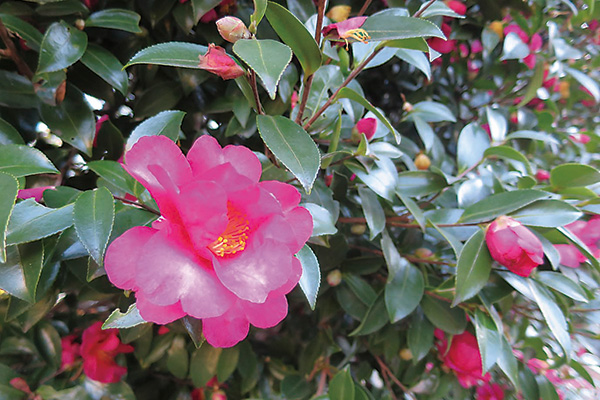
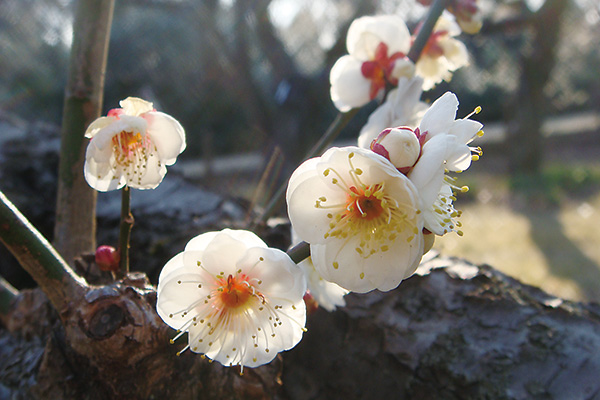
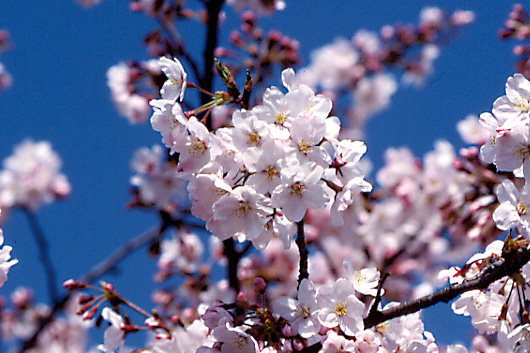
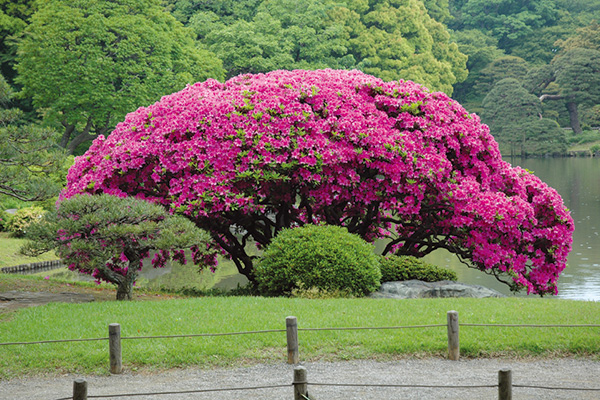
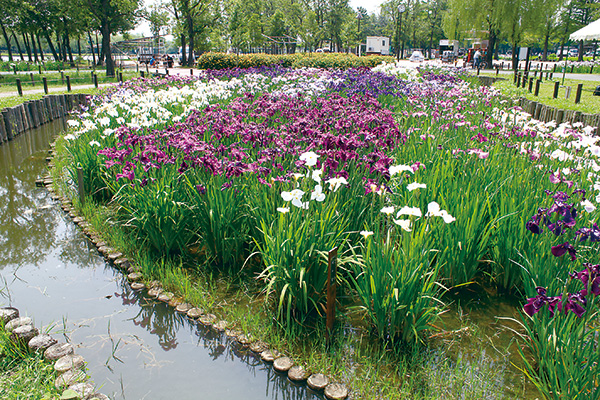
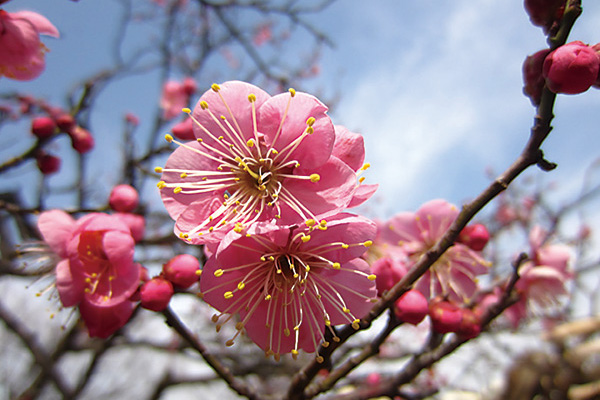
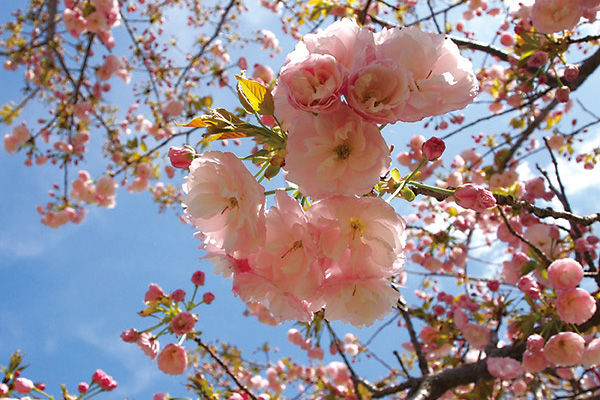
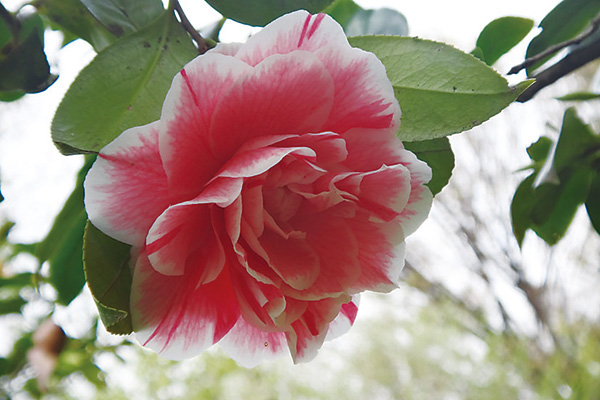
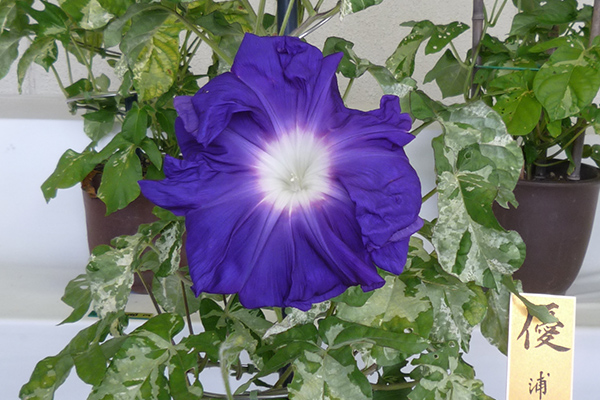
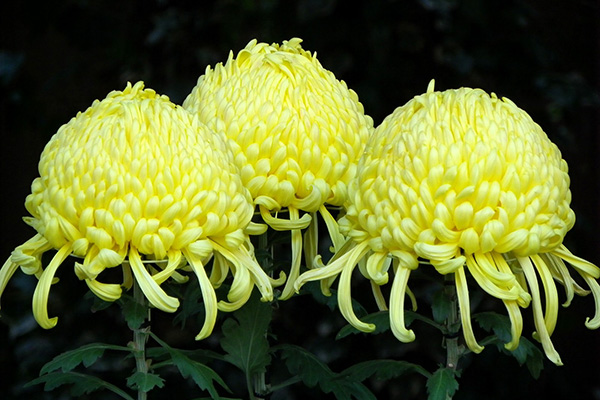
There are over 40 varieties and 3,000 cultivars of garden plants which became fads during the Edo period (1603-1867). Some representative examples include those presented below.
[Tokyo]:Plants may be viewed at Tokyo Metropolitan gardens and parks.
[Jindai]:Plants can be seen at exhibitions held in the Botanical Hall at Jindai Botanical Garden.
Please contact the relevant facility for information on when plants are available for viewing.
(reference: Suzuki, Hirotaka: Actual Conditions and Problems Regarding the Ongoing Preservation and Survival of Traditional Horticultural Plants in Japan; Ed. By Seizo Kashiwaoka and Mikinori Ogisu: E de miru dento engei shokubutsu to bunka [Traditional horticultural plants and culture in pictures], Aboc, 1997)
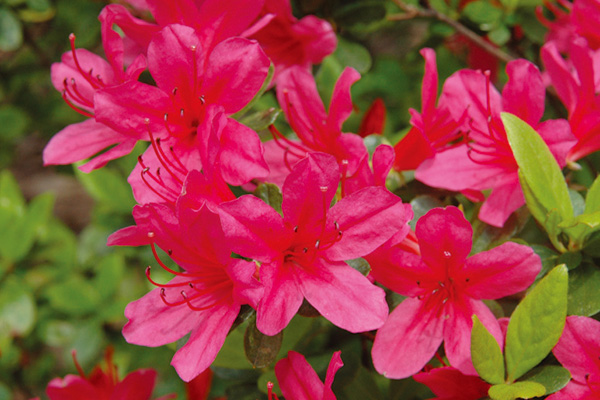
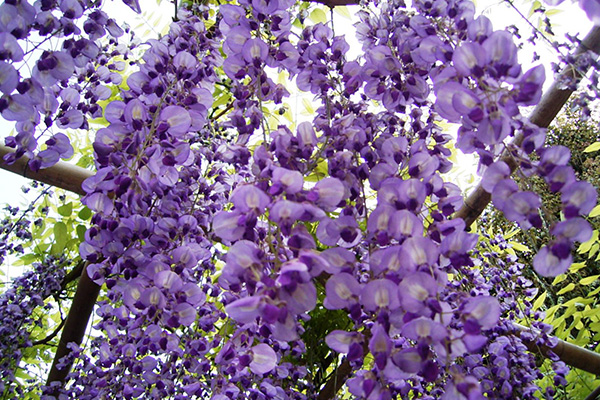
| Arboreal plants : | Japanese flowering apricot[Tokyo], Japanese quince, Cherry tree[Tokyo], flowering peach, Maple[Tokyo], camellia[Tokyo], sasanqua, azalea[Tokyo], satsuki azalea[Tokyo], rhododendron, wisteria[Tokyo], tree peony[Tokyo], French hydrangea, Japanese holly, Japanese ardisia, manryo coralberry, heavenly bamboo[Jindai], double-flowered pomegranate, pine, Japanese cedar |
|---|---|
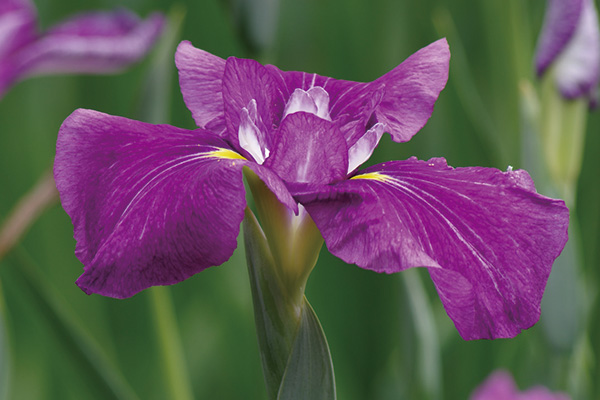
| Herbaceous plants : | Morning glory[Tokyo], Japanese sacred lily[Jindai], Japanese iris[Tokyo], rabbitear iris, chrysanthemum[Tokyo], primula[Tokyo], Chinese peony, Ise nadeshiko, pheasant's eye、Asarum sieboldii, cast-iron-plant, Japanese sweet flag, leopard plant, primula modesta, Clivia, horseshoe geranium, dandelion, hosta, weeping fern, sacred lotus, toad lily |
| Orchids : | Fukiran orchid, chosei orchid, noble orchid, kanran orchid, Anodendron affine |
| Palms : | Lady palm |
| Ferns : | Japanese felt fern[Jindai], whisk fern, henkaba nokishinobu weeping fern |
| Aquatic plants : | Sacred lotus |
| Other : | Variegated foliage plants |
Six pamphlets on traditional garden plants able to be viewed at Tokyo public parks and gardens are distributed at service center counters during the periods when the plants are available for viewing: 1) Mizumoto Park – Japanese irises; 2) Rikugien Garden – azaleas; 3) Koganei Park – cherries; 4) Mukojima-Hyakkaen Garden – Japanese apricots; 5) Jindai Botanical Garden – Camellia.